Run a Police Station Dispatch Calls Guide
Prioritize robberies, accidents, and dangerous emergencies without starving the board.
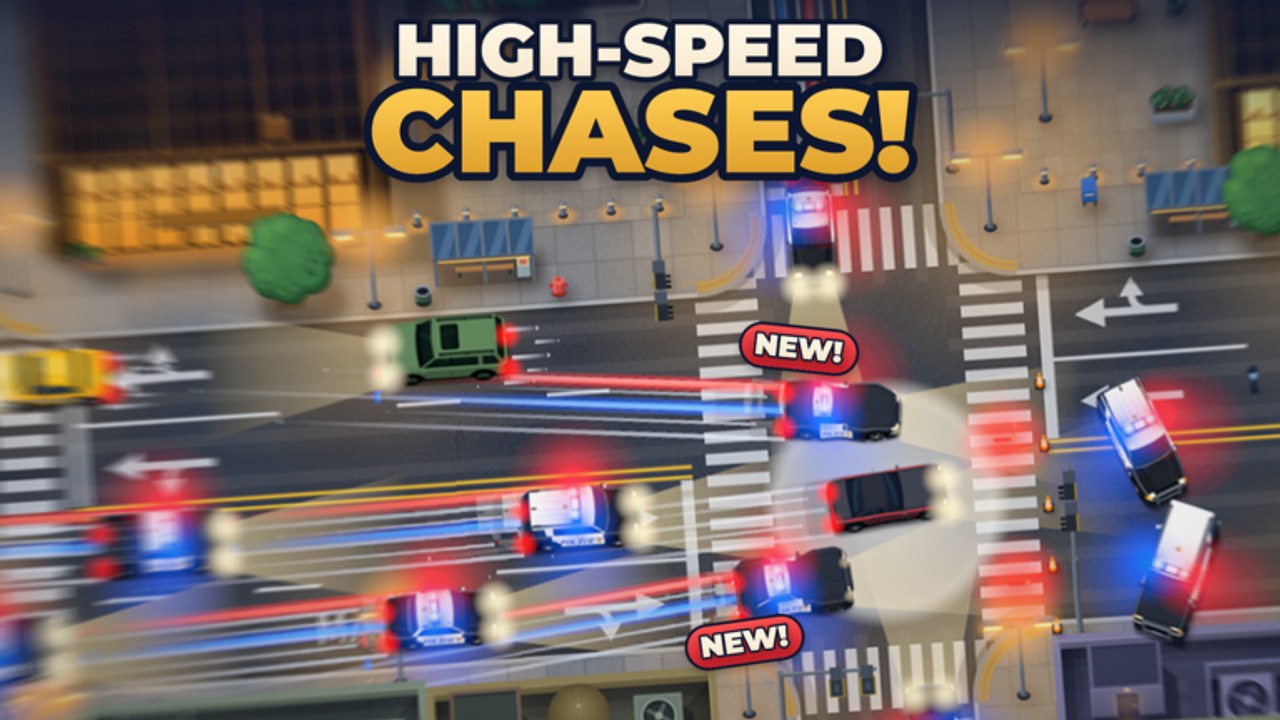
Dispatch is the operational heart of Run a Police Station. Cute Puppies Studio built the Roblox experience around answering calls—robberies, accidents, and dangerous emergencies—while you grow a six-tier headquarters, train officers, and expand a mixed fleet. This guide covers call types, response priority, how money flows from successful responses, and how to link the right officers and vehicles to each job without inventing hidden stat sheets the live game has not published.
If you are brand new, finish the loop in Getting Started first so you already have at least one officer and a basic vehicle. Dispatch advice assumes the desk can actually send someone.
Call types you should expect
Official feature language highlights three broad families, and the live board plus Roblox badge goals confirm sharper subtypes inside them:
- Robberies — active crime scenes that reward decisive response. Treat these as high urgency because delayed units often mean failed outcomes and wasted travel. Bank heists sit at the top of this family: expect longer scenes, heavier vehicle needs, and better payouts when you finish clean.
- Accidents — softer or mixed-priority incidents. They still pay and keep the city calm, but they can usually wait a beat when a hotter call is live.
- Dangerous emergencies — the spike difficulty lane. These are where training quality and tougher vehicle classes matter most. SWAT calls belong here: reserve trained tactical staff and armored or tactical vans instead of burning your only chase car.
Confirmed specialty lanes you should also plan for:
- Detective cases — investigation-led jobs that favor patient officers over pure speed. Assign detectives or investigation-trained staff; see Missions and Divisions when cases chain into longer objectives.
- Hot Pursuit chases — mobility-first responses. Pair pursuit skills with fast patrol cars or SUVs; full chase/heist packages are covered on Chases and Heists.
- Most Wanted villain hunts — named high-priority targets that often mix chase pressure with heavier backup. Do not send a lone rookie.
Your live board may use finer labels, timers, or icons. Map those UI names back to this urgency ladder: SWAT, heists, Most Wanted, and active danger first; detective work when you can spare a specialist; routine accidents second; cleanup last. Consistency beats memorizing every string the patch notes invent next week. Badge progress for first SWAT, first chase, and related milestones is tracked on Badges.
Response priority in practice
Priority is a queue discipline problem, especially on servers with up to twelve players. Use a simple rule:
- If a SWAT call, bank heist, Most Wanted ping, or other dangerous emergency competes with a routine accident, send your best ready package to the hot job.
- If a Hot Pursuit chase and a soft accident compete, keep a fast unit for the chase and let a generalist cover the accident when you can split.
- If two medium calls compete, prefer the one your nearest ready unit can finish sooner—unless a detective case is about to expire and you have an investigation officer free.
- Never leave the entire roster idle waiting for a perfect S-tier call; throughput funds the next tier.
- Call out assignments in chat so two chiefs do not double-send to one scene while another expires.
Priority also means knowing when not to send your only armored asset to a soft accident. Save specialized packages for scenes that need them. The Vehicles and Fleet guide explains class roles; the Vehicles tier list offers community-oriented ranking flavor for a young game—use both as decision aids, not as rigid scripts.
Money from calls
Successful responses are a primary income loop. Exact payouts change with balance patches, so this wiki does not invent dollar values. Qualitatively:
- Clearing calls steadily beats gambling on rare jackpots.
- Higher-risk emergencies tend to pay better when completed, but failed attempts cost time—the real currency of tycoons.
- Mixing call types keeps cashflow smoother than camping only the hardest pings.
- Codes and missions supplement dispatch; they do not replace it. See Codes and How to Earn Money.
When income stalls, ask whether calls are failing, too rare, or succeeding with under-upgraded units that take forever. Long busy timers with weak rewards are a hint to train officers or upgrade the vehicle class you keep sending.
Linking officers to calls
Officers bring unique skills. Matching skill fantasy to call type is more important than chasing a single “best” hire. General guidance:
- Send trained, reliable officers to robberies and bank heists where presence and timing matter.
- Route SWAT calls to tactical or Captain-led packages; save K-9 trackers for pursuits and Most Wanted hunts that need tracking utility.
- Use detectives on detective cases when the UI or skill description supports investigation work.
- Keep at least one flexible officer free so a surprise SWAT or Hot Pursuit ping does not find an empty lot.
- Rotate training so your A-team is not permanently exhausted while rookies sit unused.
Deep hiring and training steps live in Hire and Train Officers. Community role utility rankings sit on the Officers tier list. Again, those ranks are early-meta opinions for a young Roblox title, not official Cute Puppies Studio balance documents.
Linking vehicles to calls
Vehicle classes map cleanly to roles:
- Police cars — default patrol responders for ordinary volume and many Hot Pursuit openers.
- SUVs — flexible mid responders for chases, mid heists, and mixed Most Wanted work.
- Tactical vans — package units for SWAT calls, group scenes, and structured heist entries.
- Armored vehicles — reserve for SWAT spikes, high-threat bank heists, and dangerous emergencies.
Upgrade the class you actually dispatch most before collecting a museum of unused hulls. A lightly upgraded car that arrives fast often outperforms a max fantasy tank that leaves the garage once per hour. Station capacity from Station Tiers gates how many of these you can meaningfully run—expand HQ when the garage or roster is the bottleneck, not when you are bored.
A clean dispatch loop
- Scan the board and mark the hottest live call.
- Pick the nearest ready officer whose skills fit.
- Assign a vehicle class that matches threat level.
- Send, watch completion, then immediately re-arm for the next ping.
- After a short streak, invest profits into training, a targeted vehicle upgrade, or the next HQ tier.
- Sprinkle missions and division objectives between spikes so long-term unlocks keep moving.
This loop is what Getting Started introduces and what the money guide monetizes. Dispatch skill is mostly tempo and matching—not memorizing invented DPS charts.
Multiplayer dispatch desk
On busy servers, appoint a soft dispatch lead. That player reads the board, assigns callouts, and stops pile-ons. Everyone else focuses on training, shopping, or driving. When the lead rotates, announce it. Chaos is funny for one minute and expensive for the rest of the session. If your group likes roleplay, keep it secondary to clearing dangerous emergencies; the sim still scores outcomes.
Failure autopsy
When a call fails, write a one-line cause: late arrival, wrong vehicle class, untrained officer, or ignored priority. Fix that cause next. Random retry without diagnosis burns the same cash again. If failures cluster after a patch, check Updates and adjust—balance swings happen on Roblox.
Related pages
- Guides Hub — full how-to map.
- Chases and Heists — Hot Pursuit, bank heists, and pursuit packages.
- Missions and Divisions — detective cases, SWAT assignment, and longer objectives.
- Badges — first SWAT, chase, arrest, and related milestones.
- Earn Money — how calls sit beside missions and codes.
- Station Tiers — when HQ expansion unlocks more dispatch capacity.
- Scripts — only if you research automation topics with account-safety caution; dispatch mastery does not require risky tools.
Master the board and the rest of the tycoon becomes affordable. Ignore the board and no amount of armored chrome will save the shift.
Frequently Asked Questions
Quick answers for chiefs building a stronger precinct.
What kinds of dispatch calls appear in Run a Police Station?
Expect robberies, accidents, and dangerous emergencies. Map live UI labels to an urgency ladder: danger and active crime first, routine accidents second.
How should I choose which call to answer first?
Send your best ready package to dangerous emergencies and hot robberies, use flexible units for accidents, and avoid leaving the whole roster idle for a perfect call.
Do better vehicles always mean more money from calls?
Not automatically. The right class that arrives and completes the job beats an oversized unit that sits unused. Upgrade what you actually dispatch.
Where do I learn officer and vehicle matching in more depth?
Read Hire and Train Officers plus Vehicles and Fleet, then skim the community tier lists for early-meta role ideas.
What are SWAT calls, bank heists, and detective cases?
They are sharper dispatch subtypes: SWAT for tactical emergencies, bank heists for heavy robberies, and detective cases for investigation-led jobs. Match staff and vehicles accordingly; see Chases and Heists plus Missions and Divisions.
How do Hot Pursuit and Most Wanted calls change priority?
Treat them as high urgency. Keep a fast chase unit ready for Hot Pursuit and bring backup for Most Wanted villains instead of sending a lone rookie.